Why Early Childhood Montessori Education Sets the Foundation for Lifelong Success
Developmental cognitive neuroscience confirms that over ninety percent of human brain architecture forms before a child reaches six years of age. During these formative years, neural synapses develop at an astounding rate of over one million new connections per second. How a child is stimulated during this critical window determines their future linguistic eloquence, mathematical capability, and emotional resilience.
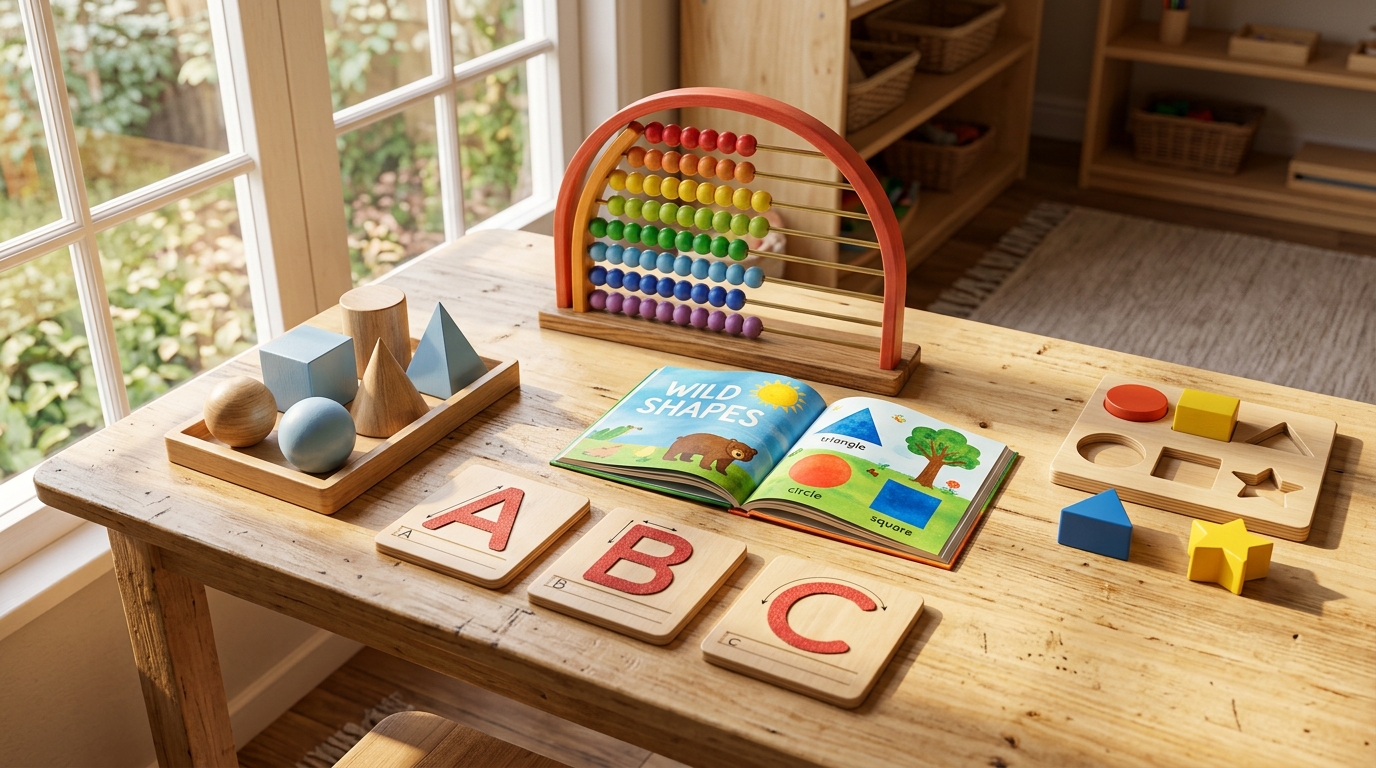
In traditional preschool settings, toddlers are often subjected to rigid, passive rote drilling of letters and numbers. In contrast, Al-Faisal School System’s dedicated Early Years & Montessori Wing implements authentic Montessori methodology—creating a prepared environment where children learn through tactile exploration, sensory manipulation, and joyous discovery.
The 5 Core Montessori Learning Areas & Milestones
Our early years classrooms are structured across five specialized learning avenues:
1. Synthetic Phonics & Bilingual Reading Fluency
Rather than teaching arbitrary letter names (A, B, C), our certified Montessori directresses teach the 42 essential letter sounds using multisensory actions through synthetic phonics (Jolly Phonics). When a child connects physical gestures with acoustic phonemes and tactile sandpaper textures, reading emerges naturally without stress. Parallel instruction in Urdu Haroof-e-Tahajji ensures strong native bilingual mastery.
2. Cultivating Concentration and Executive Function
The defining hallmark of an authentic Montessori environment is the child’s deep, self-directed concentration. When young children are granted the autonomy to choose purposeful learning materials, work at their own pace, and complete tasks without interruption, they build strong executive functioning—the mental ability to focus, plan, remember instructions, and juggle multiple tasks successfully in later schooling.