Physical Fitness, Sports Galas, and Classroom Focus: The Mind-Body Connection
In classical philosophy, the Latin aphorism “Mens sana in corpore sano”—a healthy mind in a healthy body—expressed an enduring truth that modern neurobiology now proves empirically. Physical education in schools is not an optional extracurricular diversion; it is an indispensable neurological catalyst for intellectual sharpness, emotional equilibrium, and cognitive stamina.
In an era when rising screen time and sedentary indoor habits threaten the physical and mental health of Pakistani youth, Al-Faisal School System maintains a vibrant athletics curriculum. From daily morning physical training (PT) drills to competitive inter-house sports championships, our students develop vitality, agility, and sportsmanship.
The Neurobiology of Exercise & Academic Cognition
When children engage in moderate-to-vigorous aerobic exercise, their bodies release Brain-Derived Neurotrophic Factor (BDNF)—a protein that stimulates neurogenesis, strengthens synaptic connections, and enhances the volume of the hippocampus.
1. The Grand Annual Sports Gala at Al-Faisal
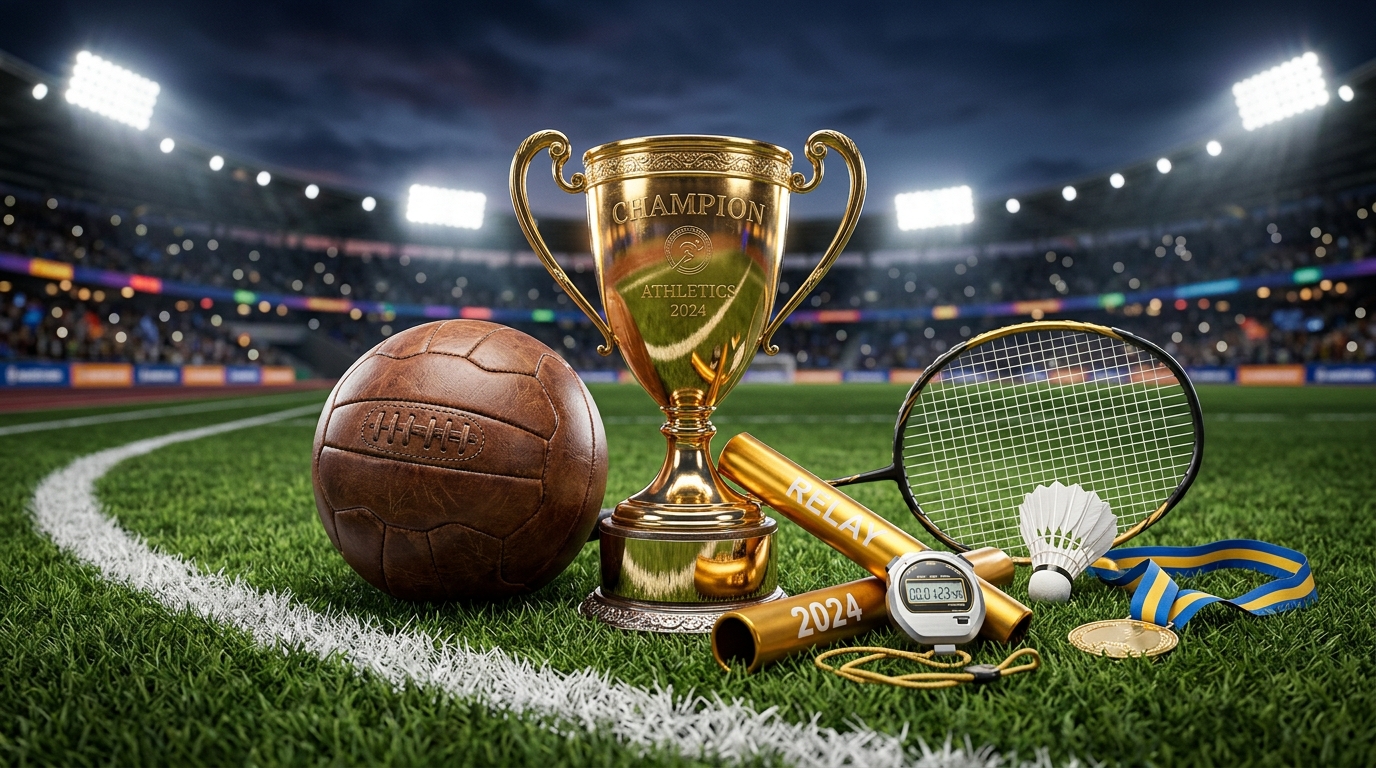
The climax of our physical education calendar is the Annual Al-Faisal Sports Gala. The campus grounds are transformed into a vibrant arena of colorful house flags, marching bands, and roaring cheers as Iqbal, Jinnah, Sir Syed, and Liaquat houses contest the championship trophy. Events include:
- 100m, 200m, and 4x100m Relay Sprints: Demonstrating blistering athletic speed and seamless baton handovers.
- Tug-of-War Contests: Testing pure collective grit, synchronized power, and house unity.
- Skill-Based Obstacle Races: Developing balance, coordination, and rapid problem-solving under pressure.
2. Cultivating Emotional Resilience & Sportsmanship
Sports provide safe laboratory environments where children encounter failure and learn how to overcome it. When a student loses a race by a fraction of a second, shakes hands with their opponent, congratulates the winner, and redoubles their training efforts for the next event, they build psychological grit that serves them across their academic and adult careers.